
- Ref # CAB00018
- November 22, 2020
Sealing Search Warrants
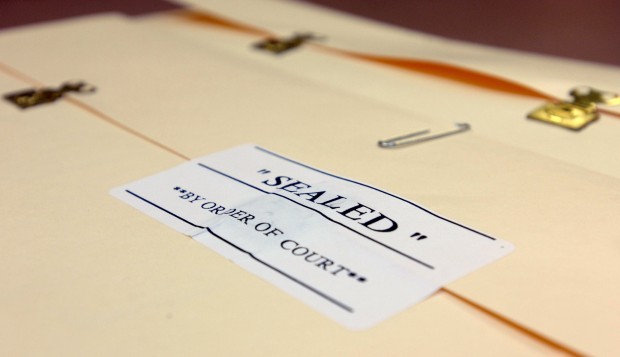
The California Supreme Court held some 25 years ago that in limited circumstances, a court is empowered to seal a search warrant and/or any attached affidavits pending later court hearings. (See People v. Hobbs (1994) 7 Cal.4th 948.) The net effect is to prevent the public in general, and a targeted defendant in particular, from viewing the contents of the search warrant or affidavit at issue. The purpose of such a sealing is to allow law enforcement to prevent having to reveal sensitive information such as (but not necessarily limited to) an informant’s identity which is sometimes necessary to insure the informant’s safety or to preserve the integrity of an on-going investigation. Being an exception to the general rule that search warrants—once executed—are public records (P.C. § 1534(a)), sealing a warrant requires the magistrate’s approval. “Hobbs warrants,” as they are commonly labeled, are not always favorably looked upon by the courts. In People v. Theilen (1998) 64 Cal.App.4th 326 (depublished), the author of the opinion criticized the procedure and argued that U.S. Supreme Court authority (Waller v. ....